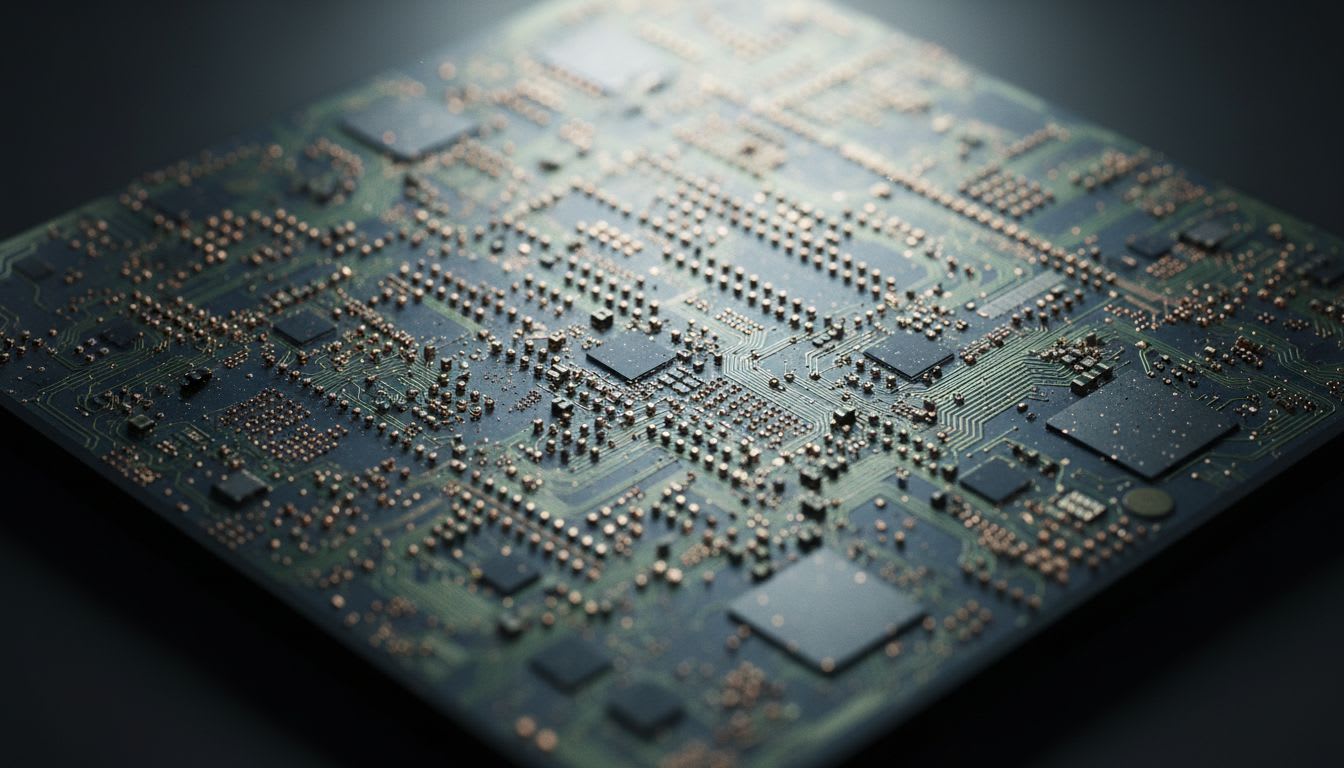
Many industry experts agree that replacing essential equipment like grinders in today's production environment is a matter of strategic decision-making, rather than simply responding to equipment failure. In settings where micron-level ultra-precision machining is required, the performance of the equipment directly determines the quality of the product and production efficiency. So, how do we determine the appropriate time to replace the grinder on our production line?
In this context, as grinder performance directly affects the completeness of the final product and the efficiency of the production process, accurately determining the replacement time becomes a critical factor that maximizes production efficiency, reduces product defects, and influences the competitiveness of the company. Therefore, rather than merely considering the equipment's failure, we need to thoroughly examine key factors affecting productivity and quality from various perspectives to decide on a rational replacement timing.
Signs of Declining Grinding Precision
Specific Signs of Precision Decline
The first and most important checkpoint in determining the replacement timing of a grinder to maintain the quality and efficiency of the production process is to closely observe signs of 'declining grinding precision'. In manufacturing environments that demand high precision, even minor changes can critically impact the entire production line. Particularly in ultra-precision production lines like FCBGA and WLCSP, the following signs indicate that the core performance of the equipment is reaching its limit:
- Noticeably increased equipment vibrations
- Gradual deterioration in the uniformity of ground product surfaces
- Repeated minor errors in achieving target thickness
- Increase in defect rates in ultra-precision requirement lines
- Frequent occurrence of minor defects not easily visible to the naked eye
This indicates that the processing precision of the grinder has already begun to exceed acceptable limits.
Impact of Quality Decline and Huvics Solution
Such minor quality declines directly affect not only production efficiency but also the reliability of the final product and the company's reputation. Huvics' PKG Grinder precisely processes various packages, including FCBGA and WLCSP, to customer-required micron-level thickness without error, based on ultra-precision grinding technology. Huvics' proprietary technology, utilizing high-precision stages and diamond wheels, maximizes processing precision, aiming to meet strict quality standards that do not allow even minute errors. Therefore, if a minor degradation in processing quality is detected in existing equipment, this indicates a serious consideration for replacement with equipment featuring ultra-precision grinding technology like Huvics. Such strategic replacement directly leads to defect rate reduction and stability in final product quality, ultimately offering a significant boost in the customer's production competitiveness.
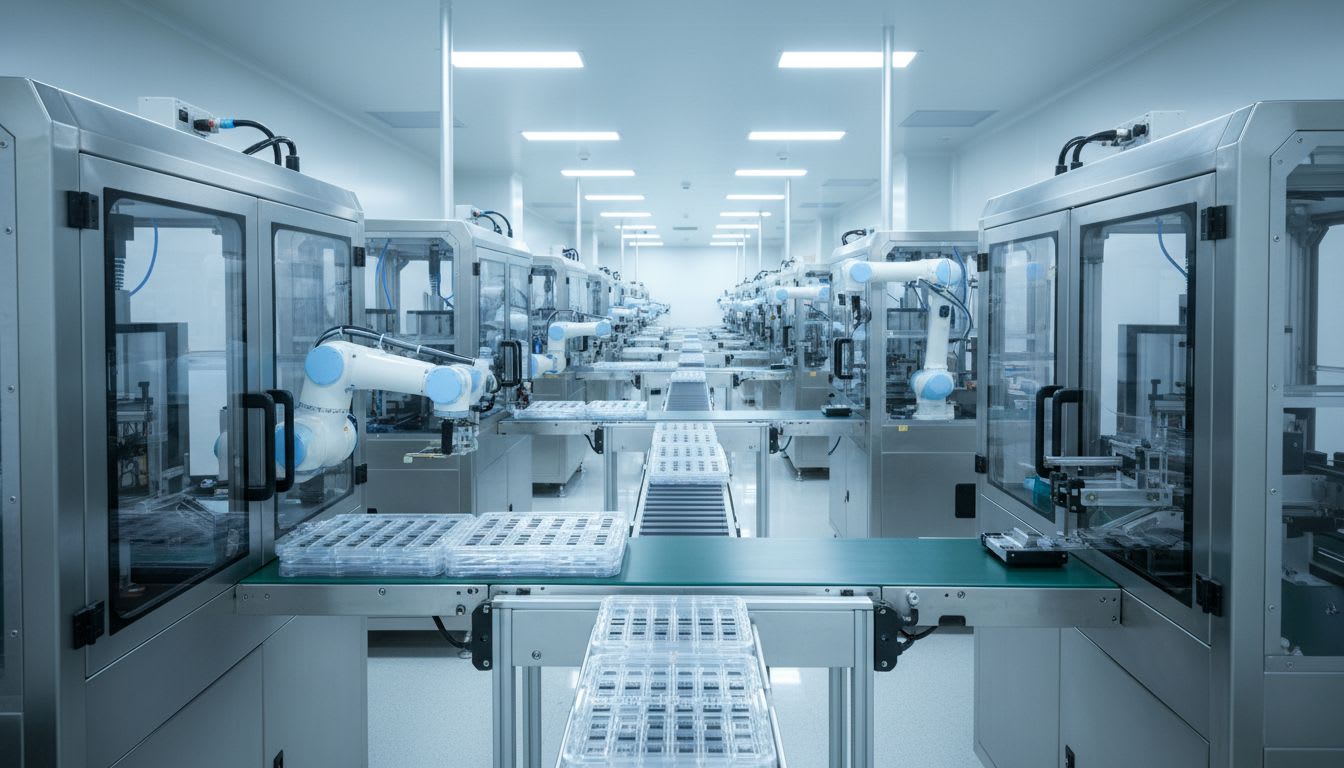
Analysis of Physical State and Maintenance History
Signs of Equipment Aging and Failure
The second key criterion for determining the replacement cycle of a grinder is a thorough analysis of the equipment's physical state and accumulated maintenance history. Ultra-precision grinding equipment heavily relies on core components for micron-level precise machining. Therefore, it is important to regularly inspect the wear state of core components and track performance changes via sensor data. For instance, if the following phenomena have recently appeared, it serves as a strong indication that the equipment's aging has intensified, necessitating fundamental replacement:
- Frequent breakdowns causing production interruptions
- Unexpected operational downtimes leading to decreased productivity
- Shortened replacement cycles for specific components and increased costs
These signs relate not only to simple cost issues but also directly affect the stability of the entire production line, potentially causing unpredictable production disruptions.
Increased Operating Costs and Huvics Support
Huvics deeply understands the negative impact of these signs on customers' production environments. As the equipment's lifecycle extends, the replacement cycle for consumables shortens, energy consumption increases, and overall operating costs tend to rise. We provide deep insight into the physical lifecycle management of high-precision equipment to maintain customers' production environments optimally, reduce defect rates, and stabilize final product quality. Additionally, we support the establishment of data-based preventive maintenance strategies, enabling customers to proactively address potential issues and ultimately secure sustainable productivity. Accurately identifying the point where replacement yields greater benefits, taking into account invisible losses caused by aging equipment, is a wise approach.
Considering Increased Operating Costs and Latest Technological Trends
Increased Operating Costs of Aging Equipment
Finally, when determining the replacement cycle of a grinder, it is essential to carefully consider not only the equipment's failure and lifespan but also the overall increase in operating costs due to aging equipment and the latest technological trends. As equipment ages, the following issues often arise:
- Continuous increase in power consumption due to decreased energy efficiency
- Rise in maintenance costs due to frequent breakdowns
- Sustained increase in unexpected downtime
Precisely identifying when these accumulated costs exceed the productivity and quality stabilization effects that could be gained with new equipment is critical. That is, when operating costs surpass the added value produced by the current equipment, it becomes a decisive moment to seriously consider replacement.
Advantages of Adopting the Latest Technology and Huvics
Latest equipment like Huvics' grinder systems offer improved precision based on ultra-precision grinding technology and micron-level precise machining capabilities, which were once unimaginable. The Full Auto type, in particular, innovatively enhances automation and speed in production lines, contributing significantly to labor cost reduction and increased production volume. Additionally, Huvics' cleaner machines in essential cleaning stages before and after grinding utilize multi-stage cleaning technologies like micro bubbles, water jets, and air knives, along with perfect oven drying capabilities to remove microscopic particles from product surfaces with maximized efficiency. This plays a decisive role in drastically reducing defect rates and ensuring the quality stability of final products, elevating productivity. If the technological advantages provided by the latest grinder systems clearly surpass the limitations of current equipment, it must be viewed not just as a simple expense but as the most strategic investment for securing future competitiveness. Adopting advanced technology can be a vital choice for achieving a market advantage and sustainable growth.
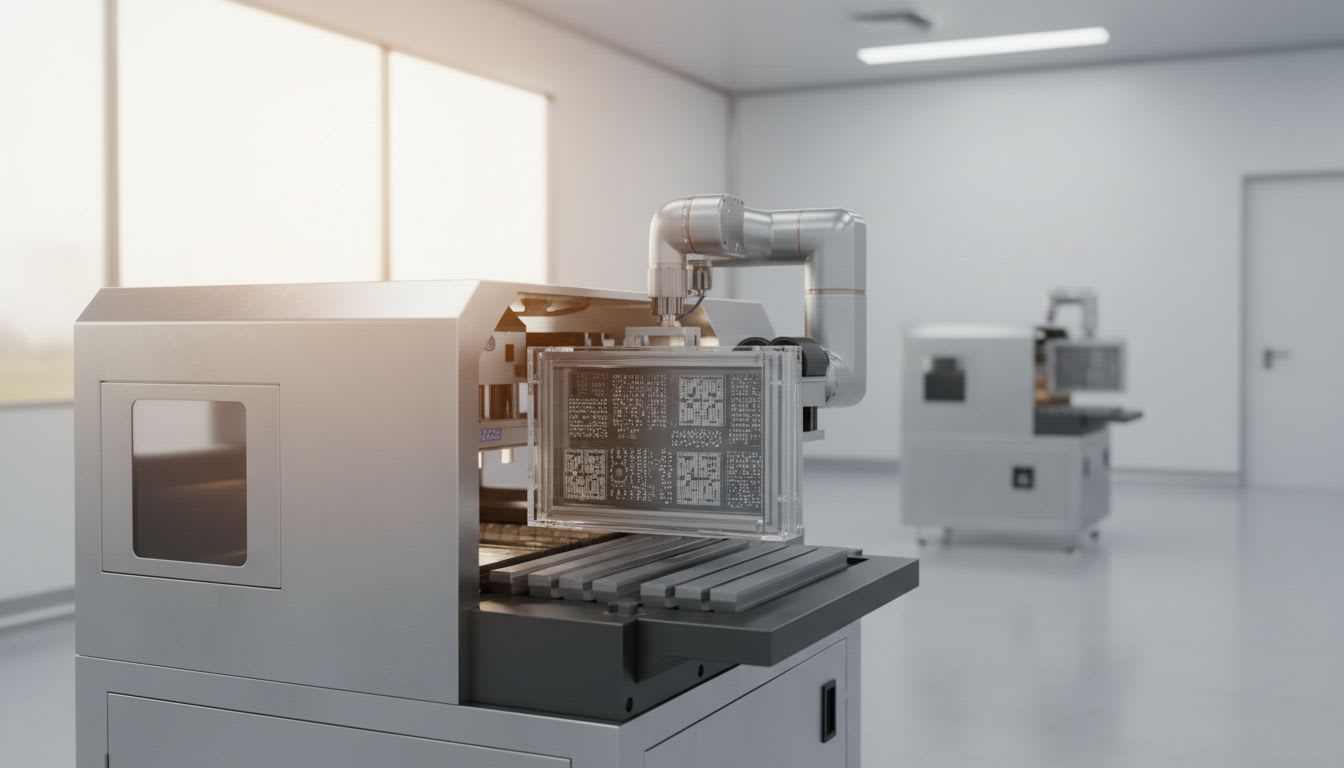
Judging the replacement cycle of a grinder goes beyond a simple decision of 'it’s broken, so we have to replace it'. It is a strategic investment considering all elements comprehensively, from minor signs of precision decline, accumulated operating costs, to the rapidly advancing benefits of the latest technology. Ultra-precision grinding equipment from companies like Huvics can provide a clear solution that drastically reduces defect rates, maximizes production efficiency, and ultimately elevates the competitiveness of the business in the face of complex decision-making. It is now time to make an informed decision to ensure your production line maintains peak performance and advances towards a sustainable future.
Huvics is a high-tech company developing and manufacturing automation equipment and production systems across the semiconductor, LED, Mobile, and Cosmetic industries.
With the best talent and continuous technological innovation, we support enhancing customer productivity and securing quality competitiveness.
Contact Huvics Co., Ltd.
Phone: 031-374-8285
Email: cdpark@huvics.com